
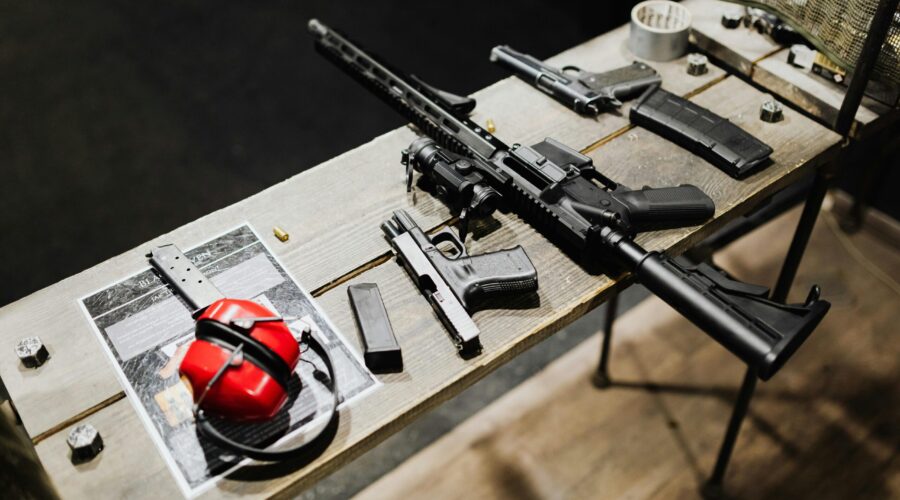
How To Get a Firearms License In South Africa: Ultimate Guide
Owning a firearm in South Africa is a significant responsibility, and the process of getting a firearms license reflects this importance. It is designed to ensure that only capable, law-abiding individuals are entrusted with firearm ownership. This comprehensive guide provides a clear and structured explanation of each step, from initial training through to safe storage, helping you prepare thoroughly for gun ownership.
Step 1: Completing Firearm Competency Training
Before purchasing a firearm or applying for a firearm license, you must first obtain a Competency Certificate from the South African Police Service (SAPS). This certificate confirms that you are properly trained, knowledgeable, and fit to own and use a firearm safely.
Choosing an Accredited Training Centre
Selecting a reputable training provider is a crucial first step. It is advisable to choose a center that is:
- Accredited by SAPS
- Transparent regarding course content, expectations, and pricing
- Staffed by professional, supportive instructors
- Focused on genuinely preparing students for safe firearm ownership, not merely processing fees
Consult online reviews, seek personal recommendations, and contact several centers before making your decision. A good training provider will be committed to your success, not just your enrollment.
Understanding Firearm Competency Types
Competency certificates are specific to firearm types. You must complete training for each category of firearm you intend to own. The main categories include:
- Handgun Competency
- Shotgun Competency
- Bolt-Action Rifle Competency
- Semi-Automatic Rifle Competency
If your budget permits, consider completing competencies for multiple firearm types simultaneously. Doing so can save significant time and expense later, particularly if your interests or needs expand in the future. Completing additional competencies now prevents the need to repeat training, paperwork, and waiting periods later.
How Competency Training Is Structured
Competency training is typically divided into two phases:
Phase 1: Open-Book Test (At Home)
After enrollment, you will receive course material that covers firearm safety, the legal responsibilities of firearm ownership (Firearms Control Act of 60 Year 2000), and firearm-specific knowledge. You are expected to study these materials and complete an open-book test at home.
Phase 2: Closed-Book Test and Practical Assessment (At the Training Centre)
Once prepared, you will attend a scheduled session at the training center where you will complete:
- A written closed-book examination
- A practical firearm handling and shooting assessment
Reputable training centers create a supportive environment that fosters learning and success. With diligent study and practice, most candidates find competency training manageable and rewarding.
Step 2: Submitting Your Competency Certificate Application
After successfully completing your training, you should submit your application for a Competency Certificate to your local SAPS station.
Recommended Documentation
You will need to submit the following:
- SAPS 517 Form (Application for a Competency Certificate)
- Certified copy of your South African ID
- Certified proof of residential address
- Two passport-sized photographs
- A statement of results & proficiency certificate completed from your accredited provider
- Character references supporting your application
It is essential to ensure all forms are thoroughly completed, signed, and free of errors. Incomplete applications are a major cause of processing delays.
Processing Times
Processing times for competency applications vary significantly depending on the province and individual police station workload. On average, expect to wait approximately six months, although some cases may take longer. Maintain regular, polite communication with your Designated Firearms Officer (DFO) to stay informed about your application’s progress.
Step 3: Selecting the Right Firearm
Once you receive your Competency Certificate, you can now purchase a firearm. However, choosing the right firearm is a decision that warrants careful thought.
Why Proper Selection Matters
A firearm should suit your specific needs and physical comfort. Poor selection can result in:
- Difficulty handling the firearm safely
- Discomfort from excessive recoil
- High maintenance costs
- Inadequacy for your intended use, whether it is for sport, self-defense, or hunting
Take the time to research various models, calibers, and user reviews. Whenever possible, visit firearm ranges where you can handle or test-fire different options to better understand what suits you.
Seeking Expert Advice
Most reputable firearm dealers are willing to provide advice based on your intended use, level of experience, and physical considerations. Their guidance can be invaluable in helping you make a decision you will be satisfied with for years to come.
Given the significant investment involved in purchasing a firearm, it is advisable to select wisely the first time.
Step 4: How to Submit Your Firearm License Application
After purchasing your chosen firearm, you must submit a license application specific to that firearm. It’s important to note that the firearm you have chosen will stay with the dealer or current license holder until your license is approved by SAPS. Only then will you be able to take possession of your new firearm.
Recommended Documentation
You will need to compile:
- SAPS 271 Form (Application for a License to Possess a Firearm)
- Annexure B (Motivation and Supporting Documentation)
- Certified copy of your Competency Certificate
- Certified copy of statement of results & proficiency certificate completed from your accredited provider
- Proof of purchase (invoice or slip) for the firearm
- Certified copy of your South African ID
- Certified proof of residential address
- Proof of possession of an SABS-approved safe, including installation photographs
Many firearm dealers and private consultants offer services to assist with motivations for license applications, helping ensure your submission is thorough and well-motivated.
Step 5: Meeting Safe Storage Requirements
SAPS strictly enforces firearm storage requirements to prevent theft, misuse, or accidents. Proof of compliant storage is mandatory for license approval, as SAPS is required to inspect the Safes during the licensing process.
Safe Standards: SANS 953-1 Compliance
Your firearm safe must comply with the following minimum standards:
- Be SABS-approved for firearm storage
- Be securely mounted to a permanent structure, such as a wall or floor
- Use a minimum of M10 x 80mm rawl bolts, with 3 mm-thick and 30 mm-diameter washers
Mounting Specifications
- Handgun Safes: Minimum of two rawl bolts, mounted into a wall or the floor
- Rifle Safes: Minimum of four rawl bolts; ideally two into the wall and two into the floor
If mounting against a wooden floor, four bolts into the floor are acceptable. Skirting boards must be cut away to allow the safe to sit flush against the wall or floor.
Note: Please always verify with the latest regulations.
Additional Security Measures (Recommended)
Although not legally required, adding further home security measures is strongly encouraged. SAPS officers conducting inspections often view such enhancements favorably. Additional security can include:
- Burglar proofing on windows
- Security gates on exterior doors
- Alarm systems and motion detectors
- CCTV cameras or external security beams
These measures not only improve your inspection outcome but also promote responsible firearm stewardship.
Step 6: Ongoing Training and Practice
Obtaining a firearm license is not the end of your training journey. Regular practice is essential for maintaining proficiency and safety.
Benefits of Continuous Training
Engaging in ongoing training ensures:
- Improved firearm handling skills
- Faster, safer response times in emergencies
- Better understanding of legal responsibilities and self-defense principles
- Increased confidence in your abilities
Many shooting ranges offer regular programs such as:
- Defensive shooting courses
- Practical handgun and rifle handling sessions
- Sport shooting leagues, such as IDPA and IPSC competitions
Annual refresher training is highly recommended, even for experienced shooters.
Final Thoughts
The firearm licensing process in South Africa is deliberately rigorous, aiming to promote safe, responsible ownership. By committing yourself to proper training, selecting your firearm thoughtfully, complying fully with legal requirements, and maintaining ongoing proficiency, you not only fulfill the legal standards but also embody the true responsibility that comes with firearm ownership.
Approach each step with care, patience, and dedication. In doing so, you will build a foundation of competence and responsibility that benefits both yourself and the broader community.